Few things are as annoying as pulling into a thrift store lot with a trunk full of donations, or a free afternoon to shop, and finding the lights off. Thrift store hours are less predictable than most shops: big chains keep long hours that still change by region, small charity shops may open only a few days a week, and the donation door often closes well before the store does. This guide covers what hours to expect, when the donation door stops taking bags, how holidays change things, and what time of day gives you the best shot at good finds.
One rule runs through all of it: hours are set locally. Even within one chain, two stores twenty minutes apart can open and close at different times, so treat everything below as a general picture and check the store you plan to visit.
Typical Thrift Store Hours
Most thrift stores fall into one of three patterns, and knowing which kind you're heading to tells you a lot before you look anything up.
- Large chain stores: Goodwill, Salvation Army Family Stores, Savers and Value Village usually open in the morning (often between 9 and 10 AM) and close in the evening (often between 7 and 9 PM) most days of the week. Sunday hours are commonly shorter.
- Mid-size charity stores: St. Vincent de Paul, Habitat for Humanity ReStores, hospice and animal shelter stores often keep regular daytime hours, something like 9 or 10 AM to 5 or 6 PM, and may close one or two days a week.
- Small volunteer shops: Church, school and auxiliary shops can be open as little as two or three days a week, sometimes for only a few hours, and sometimes on one evening or a Saturday morning only.
Independent and for-profit thrift, resale and vintage shops vary the most. Many follow normal retail hours, but plenty of one-owner shops close early on slow days or open late on weekends.
What Time Do Goodwill and Other Chains Close?
It's one of the most searched questions about thrift stores, and the honest answer is that it depends on the store. Goodwill, for example, is made up of many separate local organizations, and each one sets its own hours. A general picture:
- Goodwill: Many stores close somewhere between 7 and 9 PM on weekdays and Saturdays, and earlier on Sundays. Some smaller or rural stores close at 6 PM, and a few busy stores stay open later.
- Salvation Army Family Stores: Often close in the early evening, around 6 to 8 PM. Some locations are closed on Sundays, since the Salvation Army is also a church.
- Savers and Value Village: Usually keep the longest hours of the big names, often closing around 8 or 9 PM, with shorter Sunday hours.
- Habitat ReStores: Tend to keep shorter daytime hours, commonly closing around 5 or 6 PM, and are often closed on Sundays and sometimes Mondays.
- Goodwill outlets: The by-the-pound outlet stores often run on their own schedule, with fresh bins rolled out at set times during the day.
If you're unsure which charity runs the store near you, or how they differ, our guide to Goodwill, Salvation Army, St. Vincent de Paul and church thrift shops explains who runs what.
Arrive at least 20 to 30 minutes before closing if you plan to shop. Fitting rooms often close early, and staff start clearing carts and counting registers in the last few minutes.
Donation Hours Are Not Store Hours
This is the mistake people make most often. Many thrift stores stop taking donations before the store closes, sometimes well before, because someone has to receive, sort and move everything that comes in.
- Earlier cut-off: Donation doors commonly close 30 minutes to an hour before the store, and at some locations several hours before. A store that's open until 9 PM may stop taking bags at 8 PM or earlier.
- Different days: Some stores take donations only on certain days, or not on Sundays, even when the sales floor is open.
- Separate donation centers: Some charities run donation drop-off points with no store at all, and these keep their own hours. Check that the address you're driving to is the one taking donations.
- Pause during busy times: Small shops sometimes stop taking donations for a few days when their back room is full, often after holidays, spring cleaning season and the end of the school year.
- Furniture and large items: Even when the door is open, big pieces may need to be dropped off at certain times or booked as a pickup.
Never leave bags outside a closed donation door. Most stores treat it as dumping, items get rained on or picked through, and the store often has to pay to throw them away. If you're running late, come back another day. Our guide on how to donate to a thrift store covers what most stores accept, and how to book free pickup for furniture.
Holiday Hours and Closures
Thrift store holiday hours follow their own logic. Many stores close on the biggest holidays and keep normal or longer hours on the rest.
- Usually closed: Thanksgiving Day, Christmas Day and Easter Sunday are the days most commonly closed. Many stores also close on New Year's Day.
- Shorter hours: Christmas Eve and New Year's Eve often bring an early close, commonly mid-afternoon.
- Often open, sometimes with sales: Days like Memorial Day, the Fourth of July and Labor Day are often regular shopping days, and some chains run holiday sales on them. A few stores close on these days, so check first.
- Black Friday: Some thrift stores run their own sales the day after Thanksgiving, while others carry on as normal.
- Weather and local events: Small shops may close for snow, storms or a church event with little notice. Their own social media pages are often the fastest place to find out.
The days right after a holiday are also some of the busiest for donations, as people clear out gifts, decorations and old items they've replaced. That's good news for shoppers in the following week or two, but expect longer lines at the donation door.
The Best Time of Day to Go
Knowing a store is open is half of it. The other half is going when there's something new on the racks and not much competition for it.
- Right after opening: Shelves are full, aisles are quiet and nothing has been picked over since yesterday. Resellers know this, so popular stores can have a small line at the door on sale days.
- Mid-morning on weekdays: Many stores put out new stock throughout the day, but a lot of it reaches the floor in the morning, after the staff have sorted the previous day's donations.
- Weekday afternoons: Usually the quietest time to shop, which is good for trying things on and taking your time with furniture and housewares.
- Evenings: The racks are often picked over and messier by evening, but carts that came out during the day are still being shelved, so an evening visit can still turn up fresh stock.
- Weekends: Saturday is often the busiest shopping day, and Sunday is often the busiest donation day. That makes Monday and Tuesday a good time to see what came in over the weekend.
Watch for the carts. When a staff member rolls a full cart or rack onto the floor, that's the freshest stock in the store. It's fine to look as items go out, as long as you don't pull things off the cart before the staff have finished shelving them.
Time of day matters most alongside the right day. Our guide to thrift store sale days and color tags explains half-price days, weekly tag colors and senior or student discount days, which can change when a store is busiest.
Small Shop Hours: Church, Hospice and Volunteer Stores
Small charity shops are often where the best prices and most surprising finds are, but their hours need the most care.
- Few days a week: Many volunteer shops open only on set days, such as Tuesday, Thursday and Saturday, because they rely on the volunteers who can cover them.
- Short hours: A four-hour window, such as 10 AM to 2 PM, is common. Some open one evening a week for people who work during the day.
- Seasonal closures: Some take a break in summer, close for a week around major holidays, or close during church events and rummage sales.
- Hours on the door only: Many small shops don't have a website, and the only reliable hours may be the ones taped to the front door. If you pass by on a closed day, take a photo of them.
Because they have so few open hours, a small shop's opening time is often a busy one, with regulars waiting at the door. A bag sale or a fill-a-bag day at one of these shops is often worth planning around.
How to Check Hours Before You Go
A minute of checking saves a wasted trip. A few ways to get the right hours:
- Check the store's page: On ThriftStores.net, each store page shows its weekly hours and whether it's open right now, in the store's own time zone. Some hours come from older information and are marked unconfirmed, which is your cue to double-check.
- Look at the store's own website or social media: Chains usually have a store finder with each location's hours. Small shops often post closures, sale days and donation pauses on social media first.
- Call: For a long drive, a big donation load or a holiday week, a quick phone call is the surest check. Ask about the donation cut-off at the same time.
- Plan a route: If you're visiting several stores, start with the one that closes first or opens fewest days, and finish at the chain store with the latest hours.
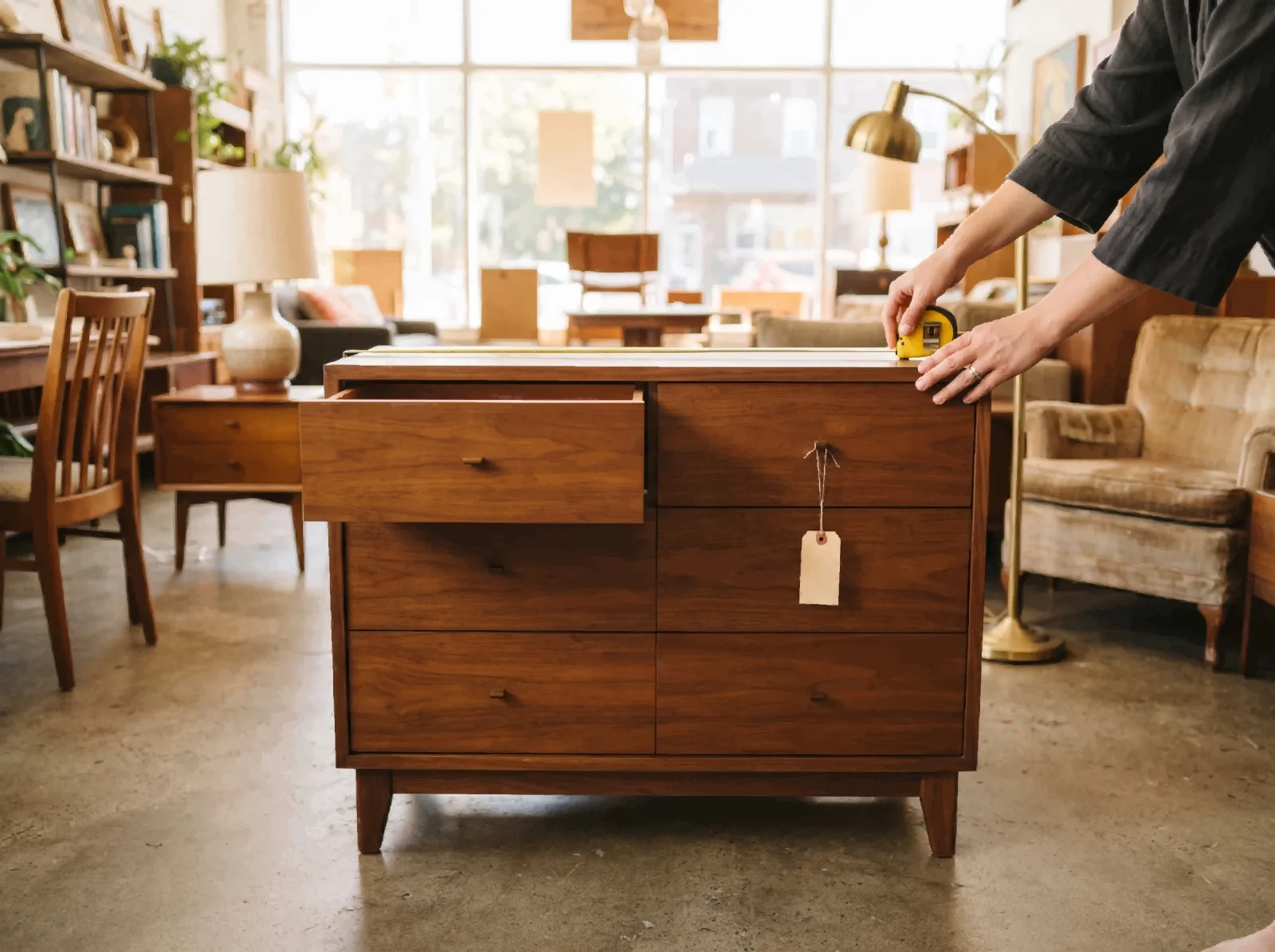
If you're heading out for something big, like a dresser or a dining table, go early in the day, when there's time to look it over properly and arrange to bring it home. Our guide to buying used furniture at a thrift store covers what to check, and you can find furniture thrift stores near you by state and city.
Ready to head out? Find thrift stores near you and check their hours, whether they're open now and what they have for sale before you go.